Once marketed as “Spanish Champagne,” Cava is a sparkling wine produced mainly in the Penedès region of Catalonia, and a handful of other Spanish appellations. Since 1872, producers here have been making sparkling wine the same way they do in Reims and Épernay: with a second fermentation in the bottle, aged on the lees, disgorged, and corked. The method is almost identical. The product, of course, is not.
Now, Champagne’s (the region, in this case) cool northern climate produces higher natural acidity and a distinct minerality. The mandatory lees aging develops those pronounced brioche and nutty notes that some Champagne drinkers love, and its pressing rules are stricter.
But here’s the thing: Cava Reserva (aged 15+ months) and Gran Reserva (30-plus months) close much of that gap. The native grapes — Macabeo, Xarel·lo, Parellada — bring their own character: floral, earthy, structured, mineral. And in informal blind tastings, most people can’t reliably tell them apart.
The rest of the gap is marketing. French products carry a cultural allure that has less to do with what’s in the bottle and more to do with what the bottle is supposed to mean. As I’ve written before on this site, the same dynamic that inflates the prestige of French cuisine — despite Spanish food being, in my well-fed opinion, at least its equal — shapes how Americans spend on sparkling wine. That’s how a $16 Cava ends up on the shelf next to a $50 Moët.
I live in Barcelona. Cava is not only a special-occasion wine here; it can be, sure, but it’s also normal to open one on a random Tuesday. It’s democratic, delicious, and surprisingly affordable. In America, that value gap doesn’t fully close, but it doesn’t disappear either. You can still find genuinely excellent Cava — Brut Reservas with real complexity, elegant rosés, organic small-producer bottles — for under $20. That’s the list I’ve put together here. Seven bottles. All under $20. All are worth your time.
Anna de Codorníu Classic Brut
Juvé & Camps Reserva de la Familia Gran Reserva Brut Nature
Lacrima Baccus Brut Reserva
Segura Viudas Brut Reserva
Freixenet Cordon Negro Brut
Avinyó Organic Brut Reserva
Parxet Brut Reserva
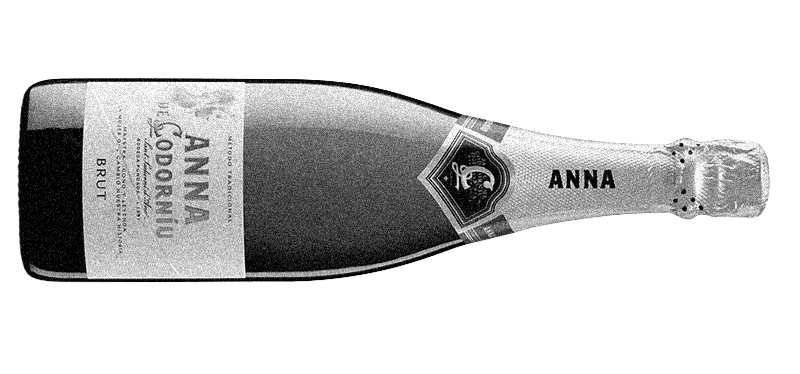
Anna de Codorníu Classic Brut
Region: Penedès, Catalonia, Spain
Grape(s): 70% Chardonnay, 30% Parellada
Price: ~$15
Where to Buy: Find the best price on Wine Searcher
Tasting Notes: Anna de Codorníu is about as approachable as Cava gets, and that’s not a knock — it’s a feature. The nose is fresh and pretty: green apple, white peach, a little citrus zest, and a faint floral lift from the Parellada. On the palate, it’s light-bodied and clean, with fine bubbles and enough acidity to keep things lively. The Chardonnay gives it a slightly creamy mid-palate that sets it apart from your average entry-level sparkler.
Food Pairing: Perfect with patatas bravas, any fried seafood, or a simple plate of jamón and olives. It also does surprisingly well with sushi — the acidity cuts through the rice and the bubbles cleanse between bites. Light enough not to overwhelm, structured enough not to disappear next to food.
Codorníu is the house that started all of this. Josep Raventós produced the first Cava here in 1872, in the same Sant Sadurní d’Anoia estate where the family had been making still wine since the 16th century. The Anna label — named after Anna de Codorníu, who in the 18th century carried the family name into the Raventós lineage — is their everyday expression, and it’s been a staple in Catalan households for generations. When Barcelona families crack a bottle before Sunday lunch without making any fuss about it, there’s a decent chance it’s this one.
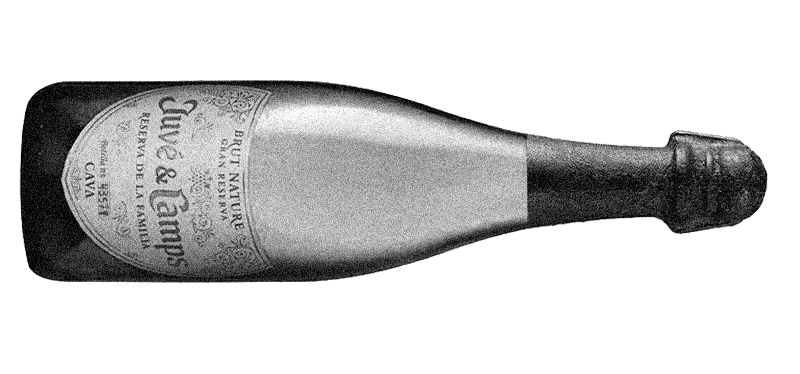
Juvé & Camps Reserva de la Familia Gran Reserva Brut Nature
Region: Penedès, Catalonia, Spain
Grape(s): Xarel·lo, Macabeo, Parellada (estate-grown, certified organic)
Price: ~$18-$20 (current vintages; older ones can run higher)
Where to Buy: Find the best price on Wine Searcher
Tasting Notes: There’s a scene in Another Round, Thomas Vinterberg’s Oscar-winning Danish film, where, after a funeral and a graduation ceremony, the friends decide they need a drink. The server calls back to the kitchen: “Juvé & Camps.” It’s a small moment, but it stuck with me. This is Cava that belongs to real occasions, the kind that call for something better than your usual sparkler without requiring a speech or a special budget line.
In the glass, it pours a bright gold, deeper than most young Cavas. The nose opens with ripe white peach, citrus peel, and this gorgeous toasted brioche note that comes from 36 months aging on the lees. That extended contact shows up everywhere. On the palate, there’s a custardy richness layered under the bright acidity, almost like crème brûlée without the sweetness. The Brut Nature designation means zero sugar dosage, so what you’re tasting is pure fruit and yeast character, nothing added to smooth things out or mask the edges.
Food Pairing: This one loves food. Oysters, grilled prawns, jamón ibérico, and even a creamy risotto. The zero dosage and bright acidity cut through richness without disappearing. Skip the wedding cake, though. The lack of residual sugar means it won’t play nice with dessert.
I first tried this bottle because the guy at my local cansaladeria in Barcelona, the one who slices my jamón, told me it was infallible. He was right. The name translates to “Reserve of the Family,” and that’s literal: the Juvés originally made this wine for themselves, not for sale. They only released it commercially in 1976 after deciding to go against the grain. At the time, most Cava producers were commercializing sweeter styles. The family favored a Brut Nature with long lees aging, pure and uncompromising. Sharing it with the market paid off. It’s been their flagship ever since, now made from certified organic estate fruit across 271 hectares.
Lacrima Baccus Brut Reserva
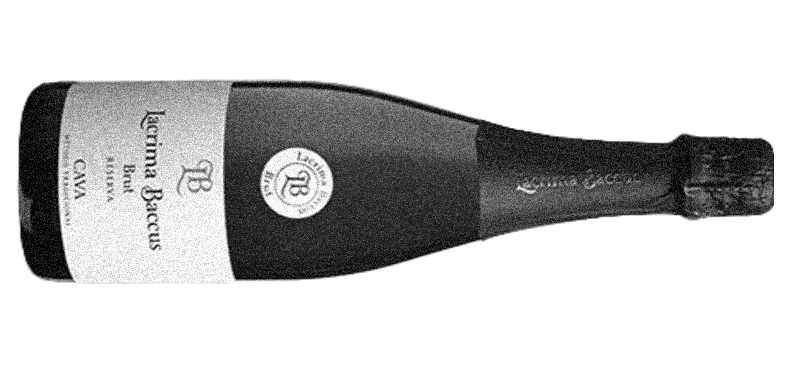
Region: Penedès, Catalonia, Spain
Grape(s): Macabeo, Xarel·lo, Parellada
Price: ~$15
Where to Buy: Find the best price on Wine Searcher
Tasting Notes: The name means “Tears of Bacchus,” and something about that hits right. The dark label with its gold lettering looks like it belongs on a bottle from another century. In the glass, it’s pale yellow with delicate, persistent bubbles and a creamy texture. The nose gives you yeast and pastry, with a quiet backdrop of pineapple and banana. On the palate, there’s a touch of sweetness on the attack that quickly balances out into something fresh and elegant. It’s not austere, not cloying. Just easy.
Food Pairing: This one works beautifully with smoked salmon, rice dishes with seafood, sushi, and richer appetizers like foie gras or lamb. The slight sweetness on the entry and the creamy mousse make it forgiving with fattier foods. Fried chicken? I tried it. The bubbles helped cut through the grease, but honestly, the slight sweetness clashed a bit with the salt and spice. For a Popeye’s run, I’d reach for something drier and more acidic, maybe a Brut Nature. Save this one for a proper sit-down with smoked fish, a charcuterie spread, or a quiet glass on its own.
The winery goes back to 1890, when the Raventós Poch family started making traditional method sparkling wine in Penedès. They named the estate Lavernoya after the Lavernó, a tributary of the Anoia River that runs through the region. The Lacrima Baccus brand came later, but by 1918, it was already among the most recognized names in Catalan sparkling wine. The operation went through some rough patches, including a near-collapse after the 1973 oil crisis, but two families revived it in 1998 and rebuilt its international presence. Today Caves Lavernoya farms 20 hectares of native and international varieties, and the winery specializes in long-aged Reservas and Gran Reservas.
Segura Viudas Brut Reserva
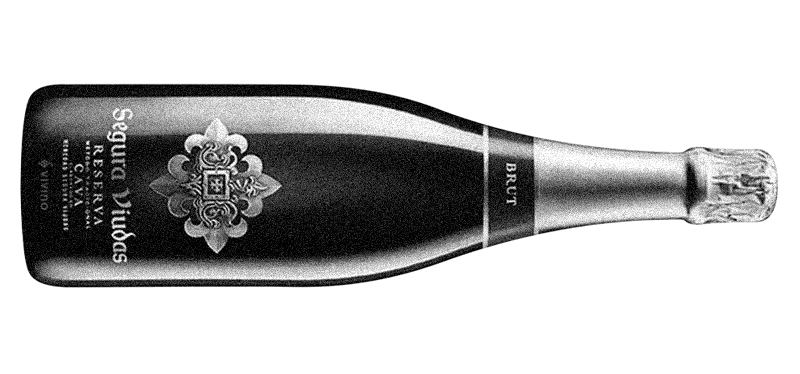
Region: Penedès, Catalonia, Spain
Grape(s): 50% Macabeo, 35% Parellada, 15% Xarel·lo
Price: ~$9
Where to Buy: Buy it from Total Wine
Tasting Notes: While the bottle is beautiful, this is a workhorse Cava. The one you buy by the case for a party, and don’t think twice about. The one that shows up at weddings, office happy hours, and small gallery openings. Somehow, despite all that, it doesn’t taste like a compromise.
The nose opens with white fruits, citrus, and a faint floral lift. In the glass, it’s pale straw with fine, persistent bubbles and a mousse that stays elegant longer than you’d expect at this price. On the palate, there’s green apple, lime, a hint of pineapple, and a subtle brioche note from the aging. It’s dry and crisp, with enough acidity to keep things lively without any sharpness. The finish is clean and reasonably long.
Food Pairing: This is an aperitif Cava, but it doesn’t stop there. It works beautifully with preserved seafood like anchovies and tinned clams, pasta with olive oil and shellfish, soft cheeses like Brie, and even a warm quail salad if you’re feeling ambitious. I’ve had it with Mahón cheese, and the salty, rich pairing was surprisingly perfect. For casual stuff, think oysters, shrimp, or empanadas. It’s versatile enough to handle a wide spread without getting lost.
What makes this one deliver far beyond its price tag is the process. Segura Viudas does a double autolysis: first on the base wine for three months before bottling, then another 15 months in the bottle. That’s a lot of lees contact for a sub-$10 Cava, and you can taste it in the texture.
The estate itself dates back to the 11th century, originally built as a military watchtower during the Reconquista, then converted into a Catalan farmhouse, then a flour mill, then a distillery. The Segura brothers bought it in the 1950s and started making Cava in 1959. Today, the property sits in Torrelavit, just outside Barcelona, surrounded by the vineyards that supply most of their fruit.
Freixenet Cordon Negro Brut
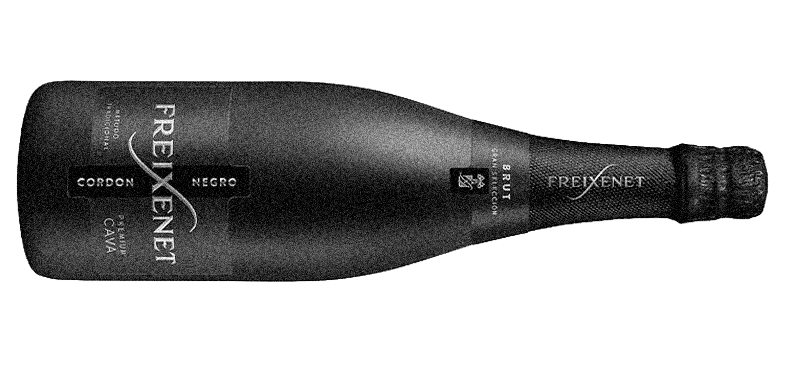
Region: Penedès, Catalonia, Spain
Grape(s): 35% Macabeo, 40% Parellada, 25% Xarel·lo
Price: ~$10
Where to Buy: Buy it from Total Wine
Tasting Notes: You know this bottle. The frosted black glass with gold lettering has been showing up at New Year’s parties, weddings, and all kinds of celebrations for a few years now. Freixenet Cordon Negro is the best-selling imported sparkling wine in the world, and for a lot of Americans, it’s the first Cava they ever tried. That ubiquity can work against it. People assume it’s mass-produced filler. It’s not.
The wine pours pale straw with lively, persistent bubbles. The nose is citrus-forward: lemon zest, green apple, maybe a hint of honeysuckle. On the palate, it’s dry and crisp, with flavors of pear, tart apple, and bright citrus, plus a distinctive touch of ginger on the finish that sets it apart from other entry-level sparklers. The acidity is high but not sharp, and the mousse is creamy enough to keep things interesting. It’s light-bodied, clean, and refreshing.
Food Pairing: This is the mimosa Cava. It’s also the “standing around the kitchen with cheese and olives” Cava. Pair it with seafood paella, grilled shrimp, fish and chips, sushi, or just a bowl of salty kettle chips. It handles tapas beautifully: tortilla española, patatas bravas, manchego. It’s not trying to be serious, and that’s exactly why it works.
The story starts in the late 19th century when Pedro Ferrer, nicknamed “El Freixenet” after his family’s ash tree estate, married Dolores Sala, whose family had been making wine since 1861. The first bottles went out in 1914. Pedro later died in the Spanish Civil War, and Dolores kept the business running through the postwar years, launching the iconic frosted bottle in 1934. The Cordon Negro label came in 1974, when their son José Ferrer bet on a sleek black bottle and an international push. By 1985, Freixenet was the world leader in Cava. Today, bottles age up to 18 months in the caves beneath Sant Sadurní d’Anoia before release.
Avinyó Organic Brut Reserva
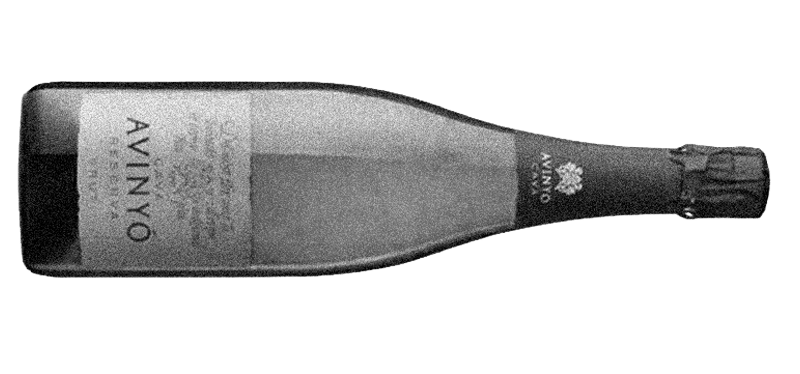
Region: Penedès, Catalonia, Spain
Grape(s): 60% Macabeo, 25% Xarel·lo, 15% Parellada
Price: ~$18
Where to Buy: Find the best price on Wine Searcher
Tasting Notes: If you’ve ever wondered what Cava looks like when a small producer does everything right, this is it. Avinyó is the opposite of industrial. Every bottle is estate-grown, organically farmed, vintage-dated, and disgorged on demand before shipping. The result is a wine that tastes startlingly fresh, with the kind of precision you normally associate with grower Champagne.
The wine pours pale lemon with tiny, persistent bubbles and a soft mousse. The nose is delicate: green apple, pear, citrus peel, a hint of fresh bread. On the palate, it’s crisp and clean, with flavors of stone fruit, biscuit, and a distinctive mineral streak that runs through to the finish. The finish lingers longer than you’d expect.
Food Pairing: This pairs beautifully with smoked salmon, oysters, grilled fish, and anything with romesco or aïoli. It handles herb-roasted chicken and asparagus without flinching. The minerality makes it a natural with feta, chèvre, and briny things. Honestly, it works as an aperitif too. Pour it for Champagne people who think they don’t like Cava. They’ll reconsider.
The Esteve family has been farming the same land since 1597, when they built their horseshoe-shaped farmhouse, Can Fontanals, in the village of Avinyonet del Penedès. For centuries, they grew cereal, legumes, and a little wine. Then phylloxera crossed from France in the late 1800s and wiped out the region’s vines and its banks. Joan Esteve Marcè traveled to France, brought back resistant rootstocks, and rebuilt the family’s vineyards around wine production. His descendants expanded to 40 hectares of old vines, and in 2022, Avinyó earned the designation of Elaborador Integral, the Cava equivalent of a grower Champagne house. Only 14 producers hold the certification. Four siblings now run the estate.
Parxet Brut Reserva
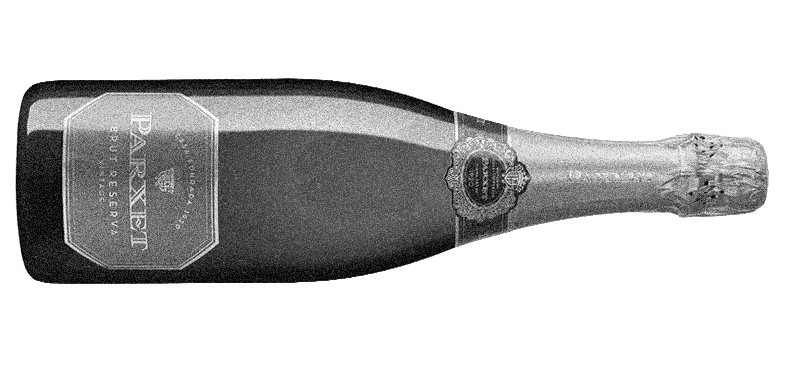
Region: Alella, Catalonia, Spain
Grape(s): Pansa Blanca, Macabeo, Parellada
Price: ~$14
Where to Buy: Find the best price on Wine Searcher
Tasting Notes: Every other Cava on this list comes from Penedès. This one doesn’t. Parxet is from Alella, a small DO about 20 kilometers north of Barcelona, where the soils are sandy granite called sauló and the signature grape is Pansa Blanca, a local cousin of Xarel·lo. You can taste the difference.
The wine pours very pale with green-tinged reflections and fine, persistent bubbles that build a delicate crown. The nose is subtle: white fruit, a hint of citrus, and a quiet backdrop of lees-aged complexity. On the palate, it opens up with more personality than you’d expect. There’s volume here, a certain amplitude, and a salinity that comes from those granite soils.Food Pairing: This is an aperitif Cava. It wants olives, marcona almonds, a few slices of jamón. It pairs well with light seafood: steamed clams, grilled prawns, and a simple ceviche. Rice dishes work too, especially anything with a squeeze of lemon.
The Suñol family has been making wine at Mas Parxet in Tiana since the 18th century. In 1920, they released their first bottles of Cava, produced using méthode champenoise in underground cellars they’d excavated themselves. By 1965, Parxet became one of the first houses to market a Brut Nature, long before zero-dosage became fashionable. Today, they’re the largest producer in the tiny Alella DO, farming 60 hectares organically and still using Pansa Blanca as their calling card. The name Parxet comes from the French parchet, meaning a small parcel of vines. It fits.
What’s the Difference Between Cava Brut, Brut Nature, and Reserva?
If you’ve stared at a Cava label and wondered what all the terms mean, you’re not alone. Two things are going on: sweetness and aging. They’re separate, and both matter.
Sweetness refers to the dosage, a small amount of sugar added after disgorgement (the moment when the bottle is opened to expel the spent yeast, then quickly corked again). Brut Nature means zero added sugar (under 3 g/L residual). Brut allows up to 12g/L, which still tastes dry but has a rounder, slightly softer edge. Most people can’t tell the difference blind, but if you’re pairing with salty jamón or briny oysters, Brut Nature’s bone-dry finish tends to work better.
Aging refers to how long the wine rests on its lees (the spent yeast) in the bottle. This is where Cava gets interesting. The minimum for any Cava is 9 months. Reserva means at least 15 months. Gran Reserva means 30 months or more of aging. The longer the wine sits on those lees, the finer the bubbles, the creamier the texture, and the more you’ll get those toasty, brioche, almost pastry-like notes.
I’ve visited a few of the cellars in Sant Sadurní d’Anoia where these bottles age in cool, chalk-dusted galleries stacked floor to ceiling. You start to understand why time matters. A 9-month Cava is refreshing. A 30-month Gran Reserva is a different animal entirely: deeper, more complex, with a persistence that lingers. Most of the bottles on this list are Reserva or better, which helps explain why a $15 Cava with 18 months on lees can outperform a $40 Champagne with the same aging.
How to Serve Cava
(and What to Pair It With)
Opening the bottle: Point it away from faces and anything breakable. Remove the foil, untwist the wire cage, but keep your thumb on the cork. Hold the cork steady and twist the bottle, not the cork. You want a soft sigh, not a pop. It doesn’t have to shoot out like in movies or at the end of an F1 race, and no need for it to spill; it just wastes wine and pressure.
Temperature: Colder than you think. Serve between 6°C and 8°C (43–46°F), which means two to three hours in the fridge or 30 minutes in an ice bucket. For Gran Reservas with more complexity, err slightly warmer (8–10°C) to let the toasty notes come through.
Glassware: Skip the coupe. It looks elegant in old movies, but lets the bubbles dissipate too fast. A tulip-shaped glass or a standard white wine glass works better: it concentrates the aromas while giving the mousse room to develop. Flutes are fine for casual drinking, but they’re narrow enough that you miss some of the nose. If you’re opening something serious, reach for the tulip.Pairing: Here’s where living in Barcelona has shaped how I think about this. Cava is not a celebration-only wine here. It’s a weekday wine. A noon vermouth-hour wine on a weekend. A “enough beer, let’s vary it up with wine”. You know that people have it on Sunday with rotisserie chicken? Rotisserie chicken! No tuxedo, no white gloves; just good Mediterranean enjoyment.
The classic local pairings are simple and salty. Jamón ibérico, obviously. Marcona almonds. Olives. Anchovies from L’Escala, the good ones packed in oil. Pa amb tomàquet with a slice of fuet on top. These work because Cava’s acidity and fine bubbles cut through fat and salt without competing for attention.
Seafood is the other natural match. Grilled prawns, razor clams, pulpo a la gallega, and a simple fideuà. If you’re near the coast here, you’ll see people drinking Cava with arroz negro or suquet de peix. The bubbles refresh; the minerality complements the brine.
What doesn’t work as well: heavily spiced food, very sweet dishes, or anything with aggressive heat. A Brut Nature with Thai green curry is a mismatch. The wine has nowhere to go. For richer, creamier dishes (think mushroom risotto or roasted chicken with aioli), reach for a Gran Reserva with more body.
Salut!
 lesbegudes.com
Leave a comment