Spain is one of the best-value wine countries on earth. $50 here stretches a lot further than in France or California, at least when you’re comparing wines of similar quality. This is obvious when you happen to be in Spain, where you, in most cases, are better off drinking the local stuff than buying imports. As anyone from the Americas can attest, it is outright wild how affordable it is to buy bottles that are 2x or 3x the price back home.
However, I’d argue that the same price-quality dynamic holds even when you’re looking at Spanish wines as imports. Whether it’s because of lower costs of production, less marketing and hype, or economies of scale, may be a matter for another article. Still, the truth is that if you’ve developed a taste for those full-bodied Riojas or creamy Ribera del Duero’s, your pockets, your palate, and your head the next day can certainly all be better off if you buy Spanish.
Since you’re here to find the best bottles you can acquire for under $50, I’ll give you my honest shortlist, as a wine enthusiast who’s been living in Spain for over three years, who has drunk many of these bottles on both sides of the pond, and even visited some of these regions or talked to the people who are inside these wineries and their export facilities.
In this guide, I’ll highlight 10 wines that consistently deliver outstanding value for their price tag, covering Rioja, Ribera del Duero, Priorat, and more. I’m also trying to showcase those bottles that I know for a fact are commonly exported, so you won’t have a hard time finding them in the US, Canada, Mexico, or elsewhere abroad.
Happy tasting!
Cune Reserva (2018~)
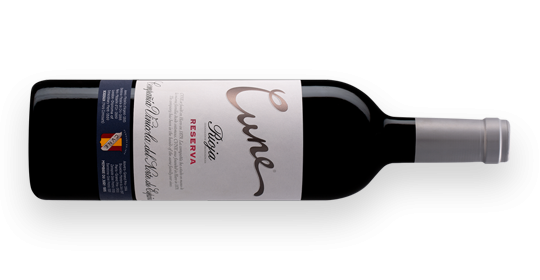
- Region: Rioja Alta, Spain
- Grape(s): 85% Tempranillo, 15% Garnacha, Graciano & Mazuelo
- Price: ~$25
- Where to Buy: Find the best price on Wine Searcher
- Tasting Notes: Cune Reserva is a prime example of what you want when you think “classic Rioja” without having to shell out serious cash. The nose hits you with bright cherry and vanilla, plus this subtle tobacco note that lets you know you’re dealing with something that’s been properly aged. On the palate, it’s velvety in that way good Rioja should be, with ripe red berries and clove, and just enough oak to remind you those barrels weren’t just for show. The finish stretches out nicely without any harsh edges.
Cune (which is actually CVNE—Compañía Vinícola del Norte de España) has been doing this since 1879, still family-run out of Haro, which is basically Rioja ground zero. They stick to the traditional approach with American oak aging, which gives you those warm, nostalgic spice notes that make Rioja what it is.
Food Pairing: Slow-cooked pork, steak frites, or honestly just a solid bowl of lentils with chorizo. I had it with oven-baked chilaquiles one time, and it was a hit. It’s the kind of bottle that never feels out of place at the table, especially if the meal is heavy.
Luis Cañas Reserva (2017~)

- Region: Rioja Alavesa, Spain
- Grape(s): ~95% Tempranillo, 5% Graciano
- Price: ~$39
- Where to Buy: Buy it from The Wine Cabinet
- Tasting Notes: This is Rioja with its shirt tucked in, polished, structured, and ready to impress without making a fuss about it. Luis Cañas Reserva leans into dark fruit— think black plum and dried fig— with earthy tobacco and leather notes riding underneath. There’s oak here (aged 18 months in a mix of French and American barrels), but it’s well-integrated, supporting rather than stealing the show. The tannins are smooth but serious, and the finish is clean and just long enough to make you notice.
Luis Cañas is a bit of a modern classic, known for their meticulous vineyard work in Rioja Alavesa, often considered the region’s most refined subzone. The bodega has been family-run for four generations, and under Juan Luis Cañas, they’ve struck a balance between tradition and sleek export-ready winemaking.
Food Pairing: Great with grilled lamb, roast duck, or anything with mushrooms and smoke. This one feels a little more “dinner party” than midweek comfort—but it’ll rise to the occasion without showing off too hard. There’s this burger joint in Barcelona I like called Morrita, where a good ol’ Luis Cañas is the only red bottle on the menu, which should definitely tell you something.
Marqués de Riscal Reserva (2019)
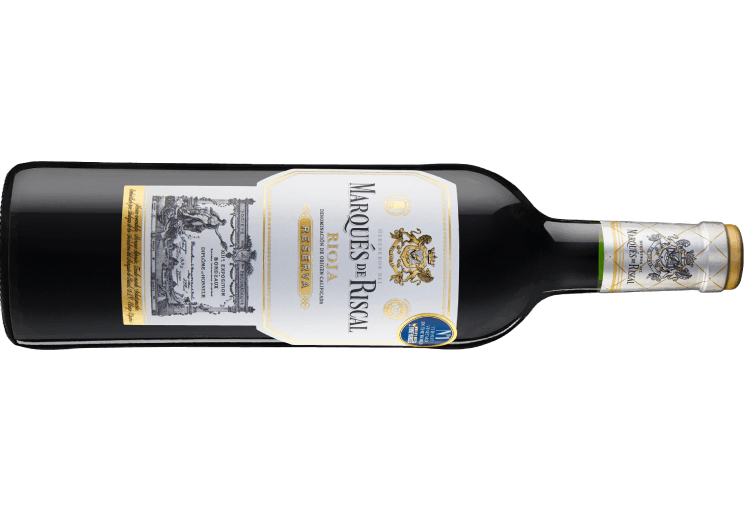
- Region: Rioja Alavesa, Spain
- Grape(s): ~90% Tempranillo, with Graciano and Mazuelo
- Price: ~$25
- Where to Buy: Grab it on Wine.com
- Tasting Notes: Founded in 1858, Marqués de Riscal is one of the oldest producers in Rioja. You’ve probably seen this bottle a ton since wine was even on your radar, and if you haven’t tried it, it shouldn’t disappoint. I think the Reservas that you can buy from the shelf right now are pretty good, but these guys aim for consistency year after year, so they tend to be quite a safe bet.
The wine opens with classic Rioja notes: ripe cherry, dried herbs, toasted oak, and just a touch of balsamic lift. On the palate, it’s structured and dry, with polished tannins and a savory finish that lingers longer than expected for a bottle in the $ 20 range.
It’s aged for around two years in American oak, with a bit of bottle time before release, so it shows a mellow, integrated character right out of the gate. You’ll notice how well it holds up after being open for a day too—it’s got stamina.
Food Pairing: I’ve had this one with slow-roasted lamb and with Mexican birria—both worked brilliantly. It’s also one of those rare reds that can hold its own next to Manchego or aged cheddar. If you’re making anything slow and savory, this bottle wants in.
Protos Reserva (2017–2020)

- Region: Ribera del Duero, Spain
- Grape(s): 100% Tempranillo (a.k.a. Tinta del País)
- Price: ~$44
- Where to Buy: Buy it from Mora’s Fine Wine
- Tasting Notes: In my view, what sets Ribera del Duero’s (of which the Protos Reserva is a prime example) apart from its Rioja cousins is that they bring a similar strength in structure and body, but in a surprisingly refined package. You get that classic Ribera del Duero intensity: higher tannins and more acidity than you’d expect from Rioja, but the extended aging really polished those edges. The nose hits you with black cherry, mocha, and vanilla, while the palate delivers dark fruit and toasted oak. There’s serious body here, but the alcohol integration is spot-on, never too aggressive.
What’s interesting is how the tannins work. Yeah, there’s astringency, but it’s structured rather than harsh. The 18 months in French and American oak, followed by another 18 months in bottle, gives you a vibe that for some reason makes me think of an MMA fighter in a tailored suit; elegant, poised, grounded in old-school tradition, but also ready for a rumble if need be.
Founded in 1927, Protos was one of the very first producers in Ribera and still sets the standard. That aging regimen explains why this wine can handle a decant and why it actually improves on day two. By then, the tannins often have been tamed enough to let the fruit and complexity shine through.
Food Pairing: This one practically begs for grilled meat—steak, barbacoa, even lamb ribs if you’re going all out. It’s also a natural with strong, aged cheeses and dishes with depth and smoke. Not exactly your Tuesday night wine, unless Tuesdays are serious business at your house.
Juan Gil Blue Label (2020)

- Region: Jumilla, Spain
- Grape(s): ~60% Monastrell, 30% Cabernet Sauvignon, 10% Syrah
- Price: ~$39.99
- Where to Buy: Buy it from Wine.com
- Tasting Notes: Here’s a region that may come as a bit of a surprise, as it’s far from being among the most popular in and out of Spain, but in that little corner of the Murcia region, there is a winery making tremendous product for a very reasonable price. All of their Juan Gils are wines I’d recommend, but within the budget I established for this selection, the Juan Gil Blue Label is the one we’ll delve into.
This blue fella brings serious power—we’re talking 15.5% alcohol—but it’s not the hot, jammy party you might expect from a warm-weather wine. The nose hits you with intense black fruit, graphite, and roasted notes. To me, it also gives hints of balsamic and spice. On the palate, you get a full-bodied richness with round tannins and good acidity.
What makes this interesting is how the 18 months of oak aging tame what could be a beast of a wine. The Monastrell brings the muscle—this is Spain’s answer to Mourvedre—while the Cabernet Sauvignon and Syrah add structure and complexity. The astringency is there but well-integrated, and the body is substantial without feeling as heavy as a Rioja Reserva.
The Monastrell vineyards sit at 2,800 feet above sea level, which explains how this wine manages to maintain freshness despite the warm Jumilla climate. Juan Gil has been mastering this grape in this region for decades, and it shows.
- Food Pairing: This wine wants big, bold flavors. Grilled lamb, barbecued ribs, or anything with a smoky char will work beautifully. The full body and good acidity make it perfect for rich stews or aged cheeses. It’s got the backbone to handle spicy food too—think chorizo, paprika-heavy dishes, or even tacos al pastor.
Bodegas Muga Reserva (2020)

- Region: Rioja Alta, Spain
- Grape(s): ~70% Tempranillo, 20% Garnacha, 10% split between Mazuelo & Graciano
- Price: ~$30
- Where to Buy: Find it on Wine-Searcher
- Tasting Notes: Here’s what happens when old-school craftsmanship meets modern precision. Muga still makes their own oak barrels in Haro—Rioja’s ground zero—which is the kind of obsessive attention to detail most producers wouldn’t even consider. That control shows up in wines that hit all the right notes: balanced structure, clear expression, built for the long haul, and at a pretty reasonable price.
The Reserva works with classic Rioja proportions—mostly Tempranillo with Garnacha for fruit, plus small amounts of Mazuelo and Graciano for complexity. What you get is medium-bodied elegance with moderate tannins that, to me at least, feel silky rather than grippy. The acidity is bright enough to keep everything lively, while the alcohol sits perfectly integrated; it’s there, but remarkably balanced.
On the nose, it’s red berries and this faint herbal lift that keeps things interesting. The palate delivers ripe cherry and plum with subtle vanilla from oak that supports the fruit rather than shouting over it.
This isn’t about raw power. Muga does restraint better than most, giving you complexity without heaviness. It’s the kind of wine that’s equally happy being opened tonight or tucked away for a few years.
Food Pairing: If you’re snacking, manchego and Spanish charcuterie are obvious calls—but try it with aged cheddar for a cross-cultural surprise. For full meals, I think it would be smashing with an Lebanese roast lamb, and it would handle itself well with the usual staples you’d have with that cuisine.
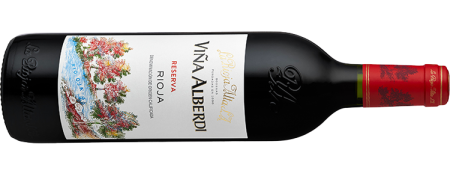
La Rioja Alta Viña Alberdi Reserva (2015)
- Region: Rioja Alta, Spain
- Grape(s): 100% Tempranillo
- Price: ~$28
- Where to Buy: Buy it from Total Wine
- Tasting Notes: Here’s Rioja tradition in its purest, most joyful form. La Rioja Alta has been around since 1890, and the Viña Alberdi is their way of showing that you don’t have to spend big to drink serious wine. It’s aged in American oak barrels that they make themselves—first in new wood for a year, then another in four-year-old barrels—which gives you all the classic Rioja spice and vanilla without overpowering the fruit.
This is a lighter-bodied Reserva compared to the region’s heavy hitters. The tannins are gentle, the acidity lively, and the alcohol perfectly balanced. Aromas of fresh red cherry, strawberry, and sweet spice give way to a palate that’s smooth, bright, and endlessly drinkable. There’s just enough astringency to remind you this is serious wine, but it’s refreshingly free of heaviness. Like the vibes of the label, it’s less formal, accessible, charming, yet distinctly rooted in tradition.
Food Pairing: Good bet with roast chicken It’s also the kind of wine you can sip happily without food at all, which is a lot to say for any Rioja.
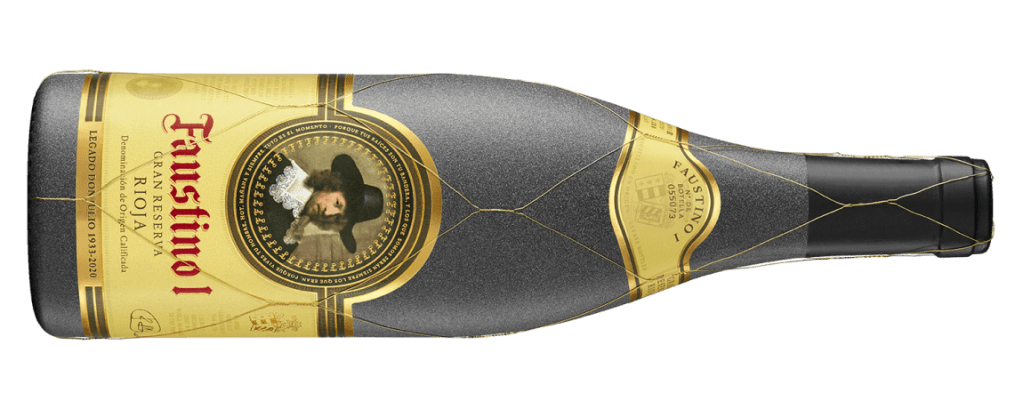
Faustino I Gran Reserva (2014)
- Region: Rioja
- Grape(s): 86% Tempranillo, 9% Graciano, 5% Mazuelo
- Price: ~$32
- Where to Buy: Buy it from Total Wine
- Tasting Notes: Few bottles in Rioja are as instantly recognizable as Faustino I Gran Reserva, with its frosted glass and portrait label. Behind the packaging is a wine that delivers the maturity and depth you expect from a true Gran Reserva, aged at least five years before release, with a minimum of two years in oak and the rest in bottle.
This is a more contemplative Rioja. On the nose, dried cherry, fig, and leather. On the palate, the fruit is mature but still vibrant, supported by well-integrated tannins and gentle acidity. The American oak influence is clear but refined, adding notes of sweet spice and vanilla without overwhelming the wine’s savory edge.
It’s a masterclass in balance for the price, and a reminder that patience, both in winemaking and in drinking, pays off.
Food Pairing: Great with aged Manchego, and virtually any grilled meat.
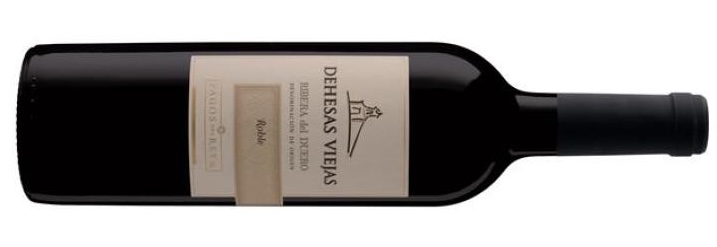
Dehesas Viejas Reserva (2017–2020)
- Region: Ribera del Duero, Spain
- Grape(s): 100% Tempranillo (Tinta del País)
- Price: ~$38
- Where to Buy: Buy it from Vivino
- Tasting Notes: This is Ribera del Duero at its most polished. Dehesas Viejas Reserva delivers the concentration and structure the region is known for, but in a way that feels effortlessly drinkable. The nose opens with ripe blackberry, black plum, and a touch of cedar, layered with hints of baking spice and leather. On the palate, it’s medium-to-full-bodied, with smooth tannins that are firm enough to frame the fruit without drying your mouth out.
Aged in oak for around 18 months, the wood influence is subtle—adding depth without overpowering the purity of the Tempranillo fruit. The acidity is balanced, keeping things fresh, while the finish lingers with a mix of dark fruit and gentle spice. This is a wine that rewards patience; it’s good right now but has the backbone to age a few more years if you can resist opening it.
Food Pairing: Think hearty but not overly heavy—grilled pork, roasted duck, or a slow-cooked beef stew. It’s also a natural partner for aged Manchego or sheep’s milk cheeses from the region.
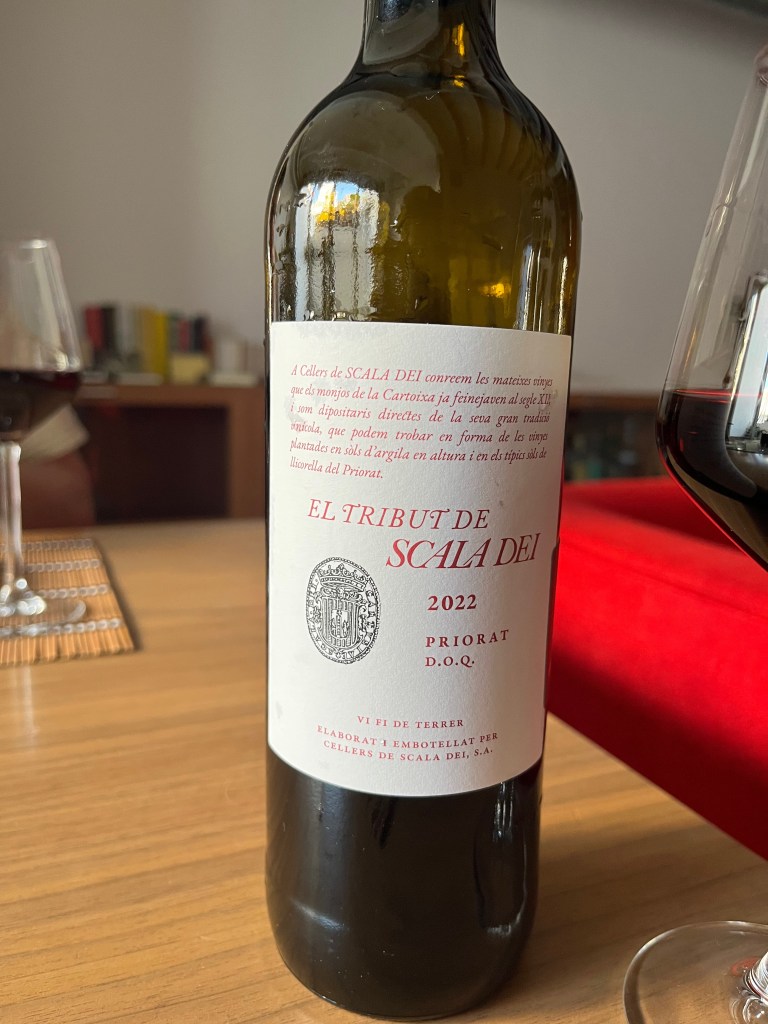
Scala Dei Garnatxa (2020)

- Region: Priorat, Catalonia, Spain
- Grape(s): 100% Garnacha
- Price: ~$45
- Where to Buy: Find it on Wine-Searcher
- Tasting Notes: Couldn’t have the list be complete without something from Catalonia. Priorat is better known for powerful, brooding reds, but Scala Dei’s Garnatxa shows a different side of the region—one that’s fresher, brighter, and surprisingly graceful. Scala Dei is one of Priorat’s oldest producers, with winemaking roots stretching back to Carthusian monks in the 12th century.
This wine is like a love letter to Catalan soil. The nose bursts with ripe berries, cherry, tarragon, and a mineral lift that borders on the “salty.” It’s not salt in the literal sense, but the impression is a little like the refreshing snap you get from a chilled Vichy Catalan mineral water. People in this part of Spain, you’ll notice as you spend time here, like that salty snap. Of course, it’s a different geology—Priorat’s famed llicorella slate versus Vichy’s granite aquifers—but both carry that distinctly Mediterranean sense of freshness and earth.
On the palate, it’s medium-bodied and vivid, with silky tannins and a mineral backbone that keeps everything lively. That llicorella soil forces the roots deep, concentrating flavor and adding that faint, stony edge to the finish.
Food Pairing: Excellent follow to a an afternoon of Vermouth, after muscles, olives, and chips. I think it’s acidic enough to go with a paella or Fideuà, but would also handle something heavier like a tuna steak or maybe even a Thanksgiving turkey.
Are Spanish wines good for aging?
Absolutely—especially those from regions like Rioja, Ribera del Duero, and Priorat. Tempranillo, the backbone of many of these wines, has a natural balance of tannin and acidity that allows it to evolve beautifully over time. A well-made Reserva or Gran Reserva can easily improve for a decade or more. That said, you don’t have to wait—many modern Spanish producers are crafting wines that are delicious straight out of the gate.
What’s the difference between Rioja Reserva and Gran Reserva?
It comes down to aging requirements. A Rioja Reserva must be aged for at least three years, with one of those in oak. A Gran Reserva ups the ante to five years total, including two in oak and three in bottle. Gran Reservas are typically made only in the best vintages and from the best grapes, which makes them rarer—and often pricier. The extra time in oak and bottle gives them more complex, developed flavors, but also means they’re less about fresh fruit and more about leather, tobacco, and spice.
Final Thoughts
In a world that’s apparently drinking less alcohol each year, with some wine regions facing a downward spiral, Spanish wines remain a beacon of value and resilience. While the Spanish wine industry faces challenges too—shrinking vineyard areas, climate pressures, and a 5.6% drop in export volumes in early 2025 due to new tariffs and global economic uncertainty—it also showed recovery in 2024, with production up 9.6% to 31.1 million hectoliters. Unlike France, which benefits from a premium reputation, Spain’s strength lies in its affordability. Lower production costs, higher vineyard yields, and a focus on bulk exports keep Spanish wines competitively priced, often $8–25 for bottles that rival French counterparts starting at $30 or more.
On top of that, trade dynamics could shift this equation. A 20% U.S. tariff on European wines, effective April 2025, and a potential 200% tariff loom large are now threatening to raise prices, especially for U.S. imports. That’s all the more reason to explore these bottles now, while they remain some of the world’s most affordable high-quality wines.
The ten bottles on this list are just a starting point. Don’t hesitate to experiment with different vintages, explore regions like Toro or Bierzo, or try varietals you’ve never encountered. Half the fun is in the discovery. If you enjoyed this guide, check out my other wine reviews and buying guides for more bottles worth adding to your table.

¡Salud!

 lesbegudes.com
Leave a comment